Immatics scientist working in the labImmatics scientist working in the lab

Pioneering PRAME-directed immunotherapies

We are relentless in our pursuit of scientific advancement to create more effective cancer treatments. We're pioneering PRAME-directed immunotherapies that harness the power of T cells to fight cancer and create new therapeutic options.

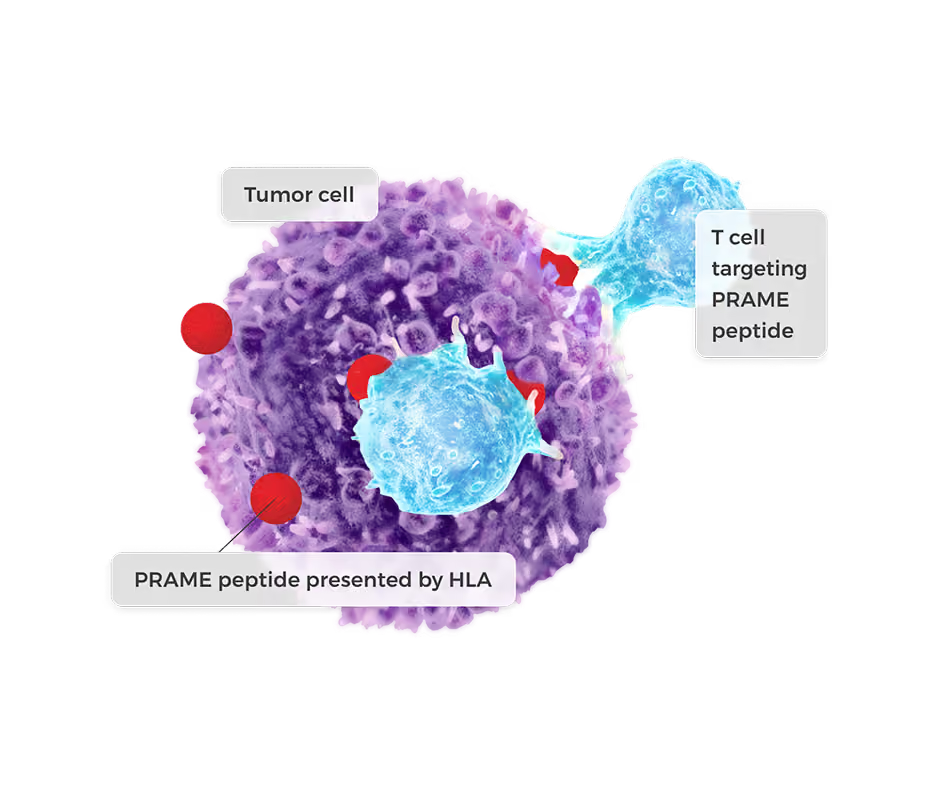
3d rendering of a Tumor cell

Understanding PRAME

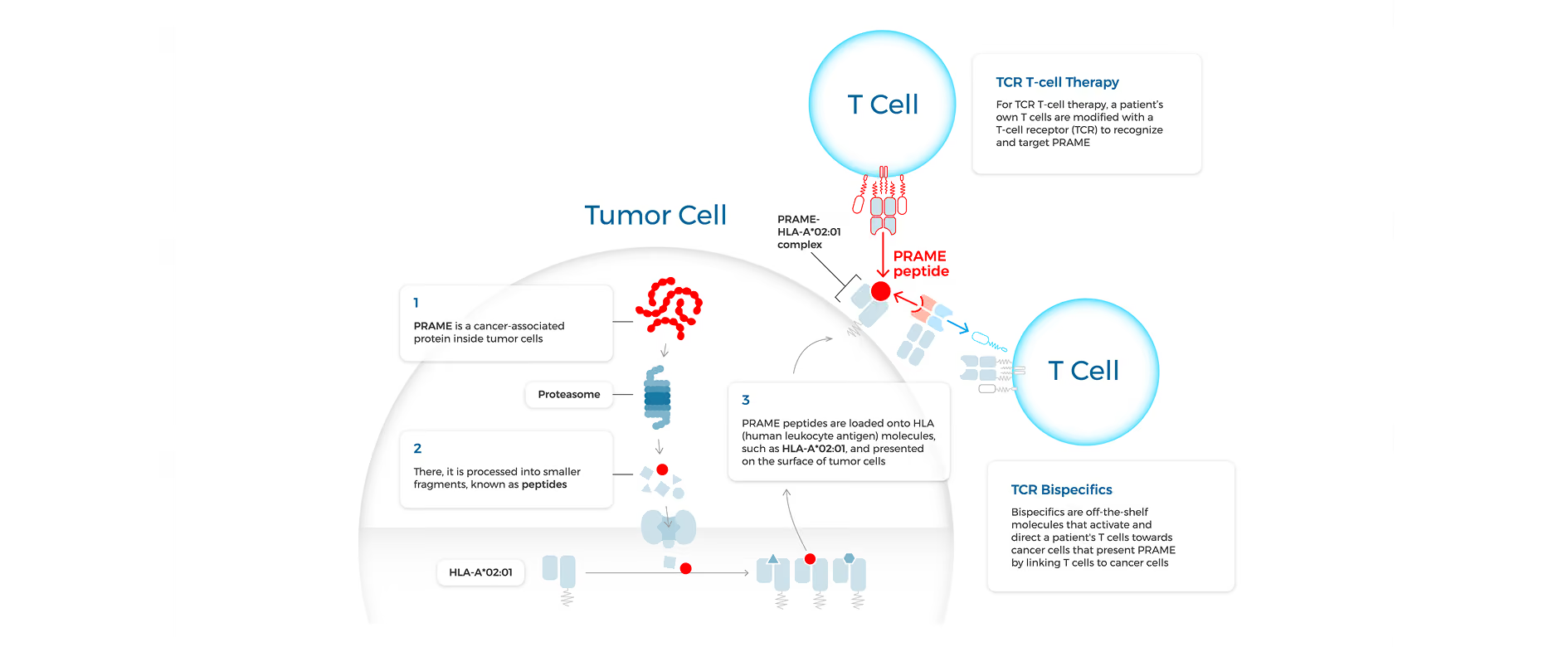
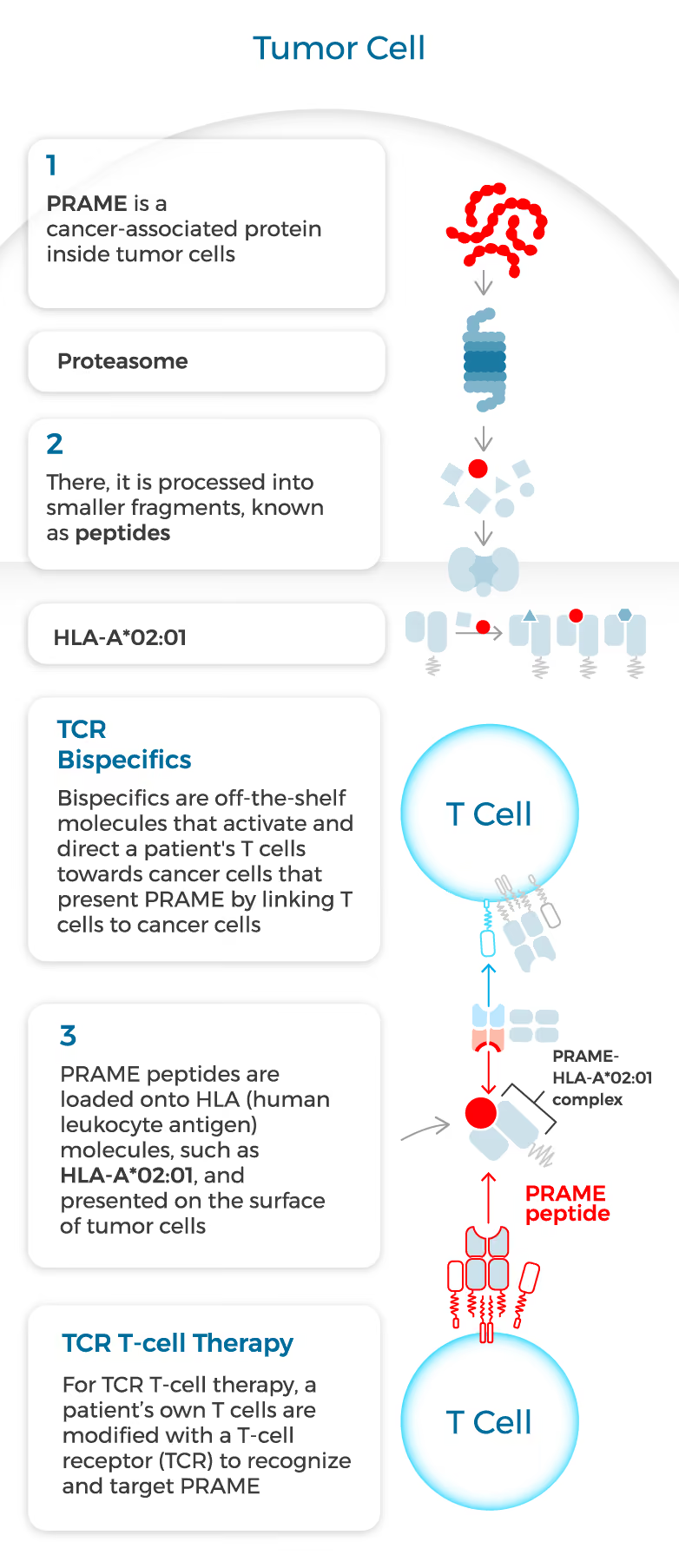
PRAME is a protein found inside tumor cells but is not present in most healthy cells. Small fragments of this protein, known as “peptides,” are presented on the surface of tumor cells. This unique feature makes PRAME accessible to novel immunotherapies being developed by Immatics.

PRAME is expressed in more than 50 cancers

Despite major advances in cancer therapy, the majority of patients still do not benefit from existing treatments, highlighting the urgent need for innovative and more effective therapeutic options.

At Immatics, we are developing immunotherapies that target PRAME as a novel approach to making a meaningful impact on the lives of patients with cancer. PRAME is expressed in more than 50 cancers, emphasizing the potential of PRAME-directed immunotherapies to reach a broad patient population.

View PRAME prevalence in selected cancer types1

Cutaneous melanoma
95%
Uterine carcinoma
95%
Uterine carcinosarcoma
95%
Synovial sarcoma
95%
Uveal melanoma
90%
Mucosal melanoma
90%
Ovarian carcinoma subtypes
85%
Squamous cell NSCLC
70%
Triple-negative breast carcinoma
65%
Small cell lung cancer
45%
Esophageal carcinoma subtype
45%
Kidney carcinoma subtype
40%
Cholangiocarcinoma
35%
HER2-enriched breast carcinoma
30%
Adenocarcinoma NSCLC
25%
Head & neck squamous cell carcinoma
25%

More than 50 other types of cancer express PRAME as well.

1  Data on file: PRAME target prevalence is based on a proprietary mass spec-guided expression threshold applied to RNAseq and/or IHC data (approximate values, values between 95-100% shown as 95%).

95
%
  • Cutaneous melanoma
  • Uterine carcinoma
  • Uterine carcinosarcoma
  • Synovial sarcoma
90
%
  • Uveal melanoma
  • Mucosal melanoma
85
%
  • Ovarian carcinoma subtypes
70
%
  • Squamous cell NSCLC

How PRAME therapies treat cancer

T cells, a type of immune cell, typically detect and destroy abnormal cells before disease develops. However, cancer cells can sometimes go undetected. Our immunotherapies are novel treatments that help the body’s own immune system fight cancer by recognizing and destroying cancer cells that present the PRAME peptide.

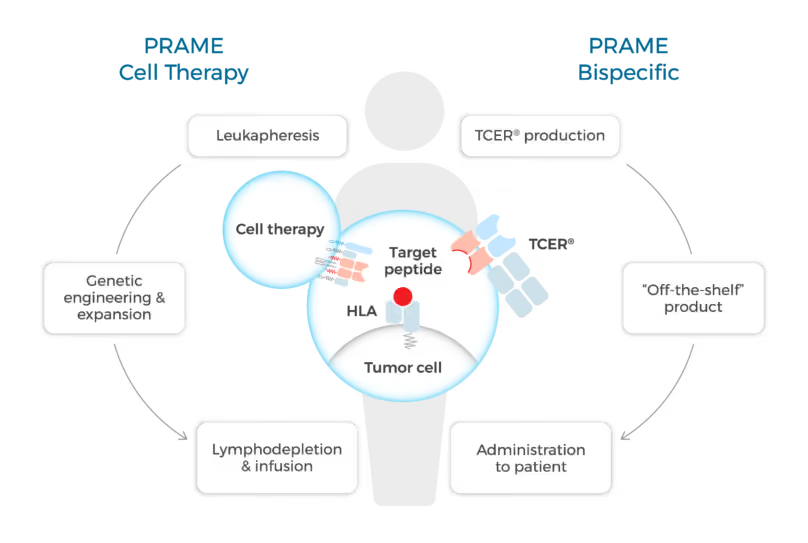
We have developed two distinct therapeutic modalities to leverage the power of targeting PRAME: T cell-receptor (TCR)-based T-Cell Therapies and Bispecifics.

Tumor cell diagramDiagram of a Tumor cell

Why targeting PRAME works

PRAME is considered one of the most promising targets for TCR-based immunotherapies. It combines several key characteristics that are important when seeking to deliver innovative treatment options that have the potential to make a meaningful impact on the lives of patients with cancer.

1

Found across cancers

‍

PRAME has a widespread occurence in more than 50 cancers, including cutaneous melanoma, uveal melanoma, ovarian cancer, endometrial cancer, lung cancer, and more.

2

Rare in health tissue

‍

PRAME has limited or no presence in healthy tissues.

3

Evenly spread in tumors

‍

PRAME is homogeneously distributed throughout tumor tissue.

4

High target levels

‍

PRAME peptides are presented at high levels on the surface of tumor cells.

5

Role in tumor growth

‍

PRAME has multiple functions in tumor biology, including enhancing tumor cell survival, 
tumor growth (proliferation) and resistance to tumor cell self-destruction (apoptosis).

6

Relevance for prognosis

‍

PRAME has been found to be associated with poor prognosis and shorter survival.

7

Validated target

‍

PRAME is a clinically validated target.

The Immatics PRAME franchise

Immatics has the broadest PRAME franchise with the most PRAME indications and modalities.

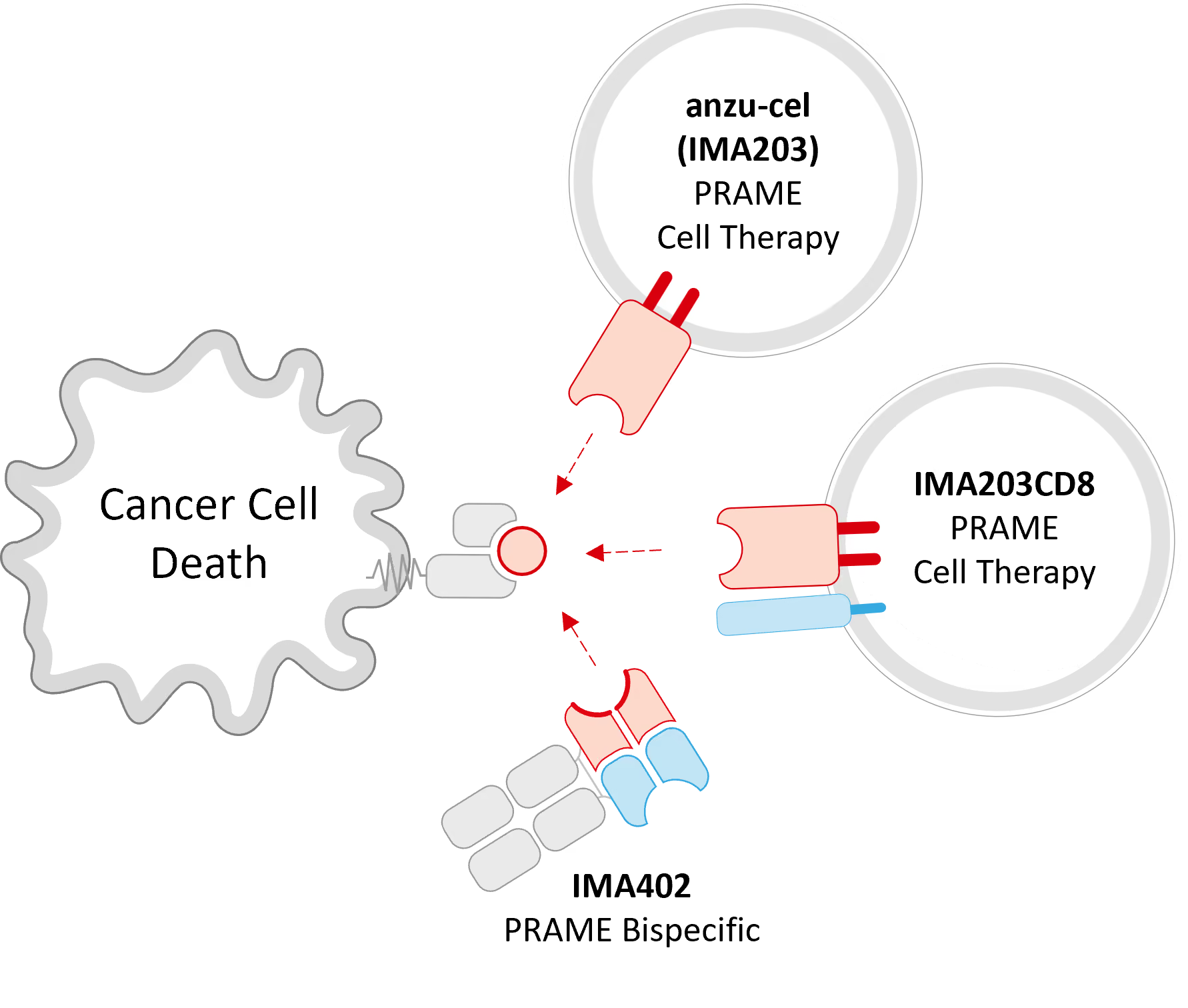
  • Anzu-cel (anzutresgene autoleucel), previously called IMA203, is Immatics’ lead PRAME cell therapy and is expected to be the Company’s first PRAME therapy to enter the market in advanced melanoma.
  • IMA203CD8 is the Company’s PRAME cell therapy product candidate being developed with the goal of expanding into all advanced PRAME cancers. Given its enhanced pharmacology profile, the Company intends to pursue the clinical development of this product candidate with a tumor-agnostic approach, including gynecologic cancers (ovarian and uterine).
  • To expand the PRAME opportunity to earlier-line PRAME cancers, the Company is developing its off-the-shelf, next-generation, half-life extended TCR bispecific, IMA402, as a monotherapy or in combination with standard of care, with a focus on melanoma and gynecologic cancers. In addition, Immatics is exploring the combination of IMA402 PRAME bispecific with IMA401 MAGEA4/8 bispecific in squamous non-small cell lung cancer (sqNSCLC) and potentially other solid tumor indications.
Diagram of cancer cell death

Adapatable modalities

‍

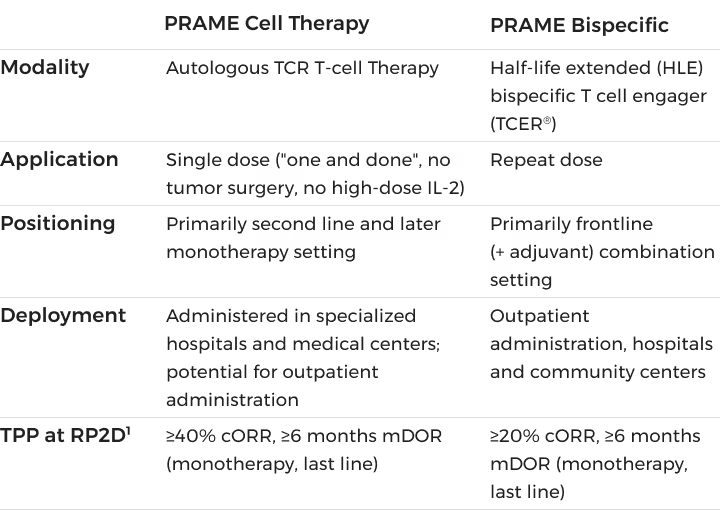
Immatics’ PRAME-directed therapies and TCR bispecifics allow for various therapeutic modalities.

Diagram of PRAME cell therapy

1. Target product profile (TPP) in monotherapy in 2L or later settings post SOC at recommended phase 2 dose (“RP2D”). Other factors such as mPFS (median progression free survival) and mOS (median overall survival) may also be considered.

Table describing PRAME cell therapy and PRAME Bispecific modality, application, positioning, deployment

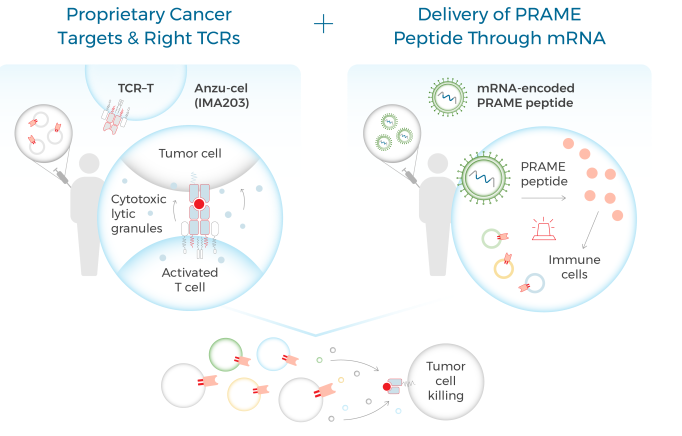
Combining Immatics’ Target and TCR platforms with Moderna’s mRNA technology

‍

Exploring innovative treatment strategies by combining Immatics’ anzu-cel PRAME cell therapy with Moderna’s PRAME adaptive immune modulating therapy to further enhance anzu-cel T cell responses with the potential to significantly reduce turnaround time and costs through the infusion of a much lower cell dose.

Diagram showing the delivery of PRAME peptide through mRNA

From Facility to Future PRAME Therapy

Our proprietary manufacturing process, timeline, capabilities and facility support late-stage global clinical and commercial cell therapy development and supply.

TCR T-cell therapies are manufactured specifically for each patient. These therapies are derived from a patient’s leukapheresis—a procedure in which the white blood cells, including T cells, of a patient are isolated from their blood. During the cell product manufacturing, T cells are then engineered to carry a novel T cell receptor (TCR) that is designed to specifically detect the PRAME peptide on the patient’s tumor.

The manufacturing process is completed within seven-eight days, followed by seven day quality control (QC) release testing period.

Our manufacturing process generates TCR T cells that have been shown to achieve a high rate of objective responses, infiltrate the patient’s tumor and function in a challenging solid tumor microenvironment.

Our state-of-the-art ~100,000 sq. ft. R&D and GMP manufacturing facility in the Houston Metropolitan Area was built with a modular design for efficient and cost-effective scalability to serve early-stage and registration-directed clinical trials as well as planned commercial supply. Through in-house manufacturing and QC testing, we aim to better control the manufacturing process, shorten the turnaround time, ensure the manufacturing success rate and quality of the product and realize potential cost efficiencies, including manufacturing capacity optimization through scalability for a competitive and profitable commercial cell therapy product.

~1 Week Manufacturing Process

~1 Week QC Release Testing

1
Clinical site icon

Clinical site (Leukapherisis*)

2
Abstract representation of t cell

Manufacturing of T cell product

3
Icon of person getting an IV

Clinical site (treatment)

*Leukapherisis is a procedure where blood is taken from a patient, and white blood cells are isolated and collected for medical use.

Technologies Behind PRAME

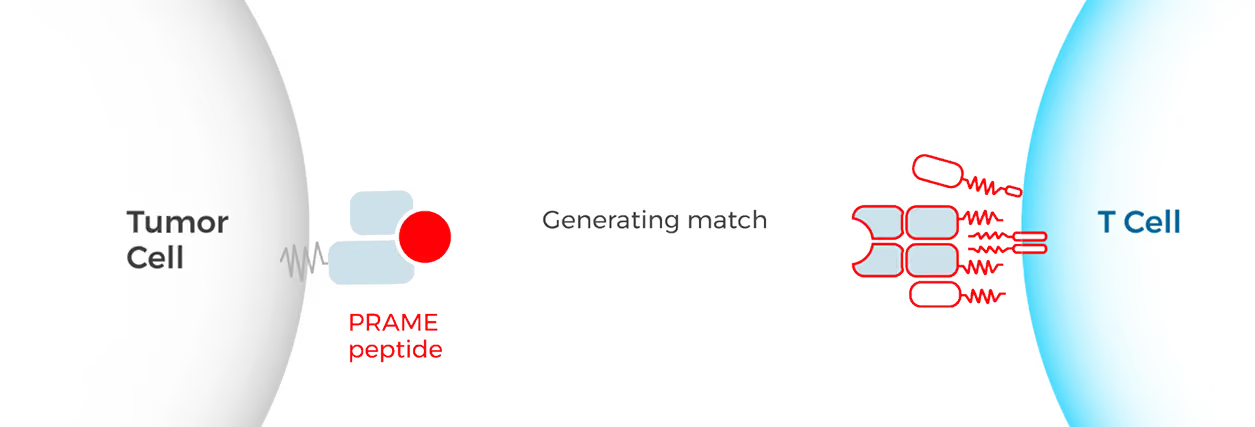
Finding the right cancer target is only half the equation, like finding a lock. The other half is creating the key that fits. At Immatics, we bring both sides together.

‍

  • Discovery of tumor-specific targets like PRAME, and
  • Designing either engineered T-cell receptors (TCRs) or bispecific molecules that recognize and bind to those targets.

‍

Our platforms are built to fine-tune both sides of this interaction, and they go even further: not just identifying the lock and the key, but ensuring a precise and selective fit. While PRAME is a well-characterized target, we focus on creating optimized molecules to engage it with precision.

Learn more about XPRESIDENT®, XCEPTOR®, and XCUBE™ – our platforms designed to enable the discovery and development of innovative TCR-based immunotherapies.

XPRESIDENT

‍

High-sensitivity mass spectrometry platform for discovery and characterization of tumor-specific intracellular targets, presented as peptides on the cell surface via HLA molecules — unlocking novel cancer targets.

‍

Target discovery, qualification and validation

XCEPTOR

‍

Proprietary platform to engineer and validate highly specific and potent TCRs against identified peptide-HLA molecules – enabling precise recognition of tumor targets.

‍

TCR discovery, engineering and validation

Diagram of a tumor cell and T cell

XCUBE

‍

Al-powered in silico platform integrating multi-dimensional biological data to develop optimal target-TCR matches and efficiently guide development of novel therapies.

Diagram showing cube with three sides representing data science, data engineering, and data processing

Advancing TCR therapy beyond PRAME

Driven by our work on PRAME, we are expanding the boundaries of TCR-based immunotherapy. We are actively exploring additional targets and approaches to address a broader range of patients with cancer.

IMA401 (MAGEA 4/8 Bispecific)

‍

Immatics is driving innovation beyond PRAME by evaluating its off-the-shelf, next-generation, half-life extended TCR Bispecific, IMA401, targeting MAGEA4/8 in patients with non-small cell lung cancer (NSCLC), head & neck cancer, bladder cancer and other solid tumor indications, with the primary goal of developing this product candidate in earlier treatment lines.

Woman working in a lab

IMA204 (COL6A3)

‍

A TCR-T cell therapy candidate targeting the tumor stroma target COL6A3. Designed to engage both CD8⁺ and CD4⁺ T cells through a CD8-independent next-generation TCR, IMA204 represents a novel approach for targeting tumor stroma.

Hand dispensing sample from a syringe

ACTallo®

‍

An allogeneic, off-the-shelf TCR T-cell therapy platform. Based on gene-engineered γδ T cells from healthy donors, ACTallo® is designed to eliminate the need for patient-derived cells and personalized manufacturing. This approach aims to standardize starting material, streamline logistics and enable the production of multiple doses from a single donor leukapheresis.

Lab supplies on a table
Clinical Trials
Gloved hands dispensing a sample in the lab
The Pipeline
Woman in lab using centrifuge